Every roof has a natural lifespan, and even the most well-maintained roofing system will eventually reach a point where ongoing repairs are no longer effective. Recognising the signs that a roof is nearing the end of its serviceable life allows homeowners to take timely action, avoid repeated disruption, and protect the structure of their property.
At Syston Roofing Repairs, we regularly assess ageing roofs across Syston, helping property owners understand when a roof has moved beyond routine repair and requires more comprehensive attention.
Widespread Tile or Covering Deterioration
Isolated tile damage can usually be repaired, but when deterioration is widespread, it often signals that the roof covering as a whole is failing.
Common indicators include:
- Multiple cracked, broken, or missing tiles
- Tiles becoming brittle or heavily worn
- Inconsistent appearance across large roof areas
When these issues affect significant sections of the roof, its ability to remain weatherproof is greatly reduced.
Recurring Leaks Despite Repairs
A roof that continues to leak even after repairs have been carried out may be showing signs of overall system failure. This often means the underlying materials are no longer providing reliable protection.
Recurring leaks may indicate:
- Degraded underlay beneath the roof covering
- Multiple weak points developing simultaneously
- General material fatigue across the roof structure
Repeated issues suggest that repairs are only addressing symptoms, not the root cause.
Sagging or Uneven Rooflines
A healthy roof should maintain a consistent, even profile. Any noticeable sagging or distortion can point to deeper structural problems.
This may be caused by:
- Long-term moisture damage to roof timbers
- Excessive weight from failing materials
- Age-related weakening of the roof structure
Structural changes are a strong sign that the roof has reached the end of its effective lifespan.
Extensive Moss and Organic Growth
While small amounts of moss are common, heavy or widespread growth can indicate that roof materials are retaining moisture and deteriorating.
Problems linked to excessive growth include:
- Moisture being held against tiles
- Accelerated wear of roofing materials
- Reduced effectiveness of water runoff
When moss growth becomes persistent and difficult to manage, it may reflect deeper roofing issues.
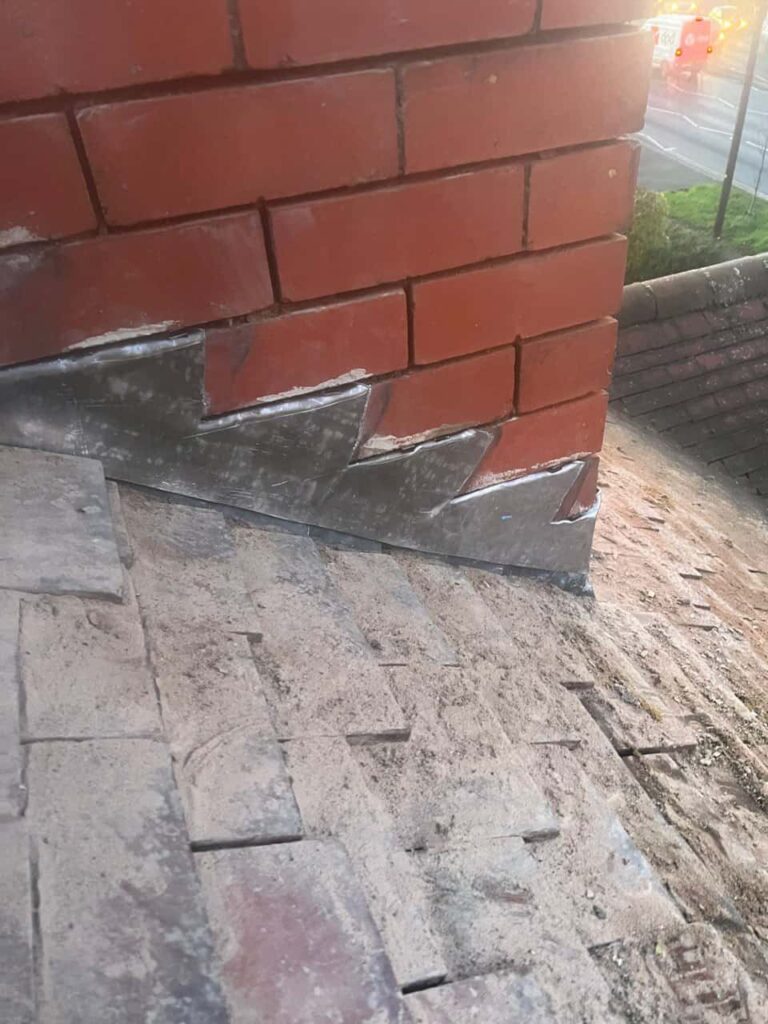
Deteriorating Flashing and Junctions
Roof flashings protect the most vulnerable areas, such as chimneys and roof junctions. When these components begin to fail across multiple locations, it often reflects overall roof ageing.
Warning signs include:
- Cracked or lifting flashing
- Repeated leaks around junction points
- Temporary fixes failing to last
Widespread flashing failure can be a sign that the roof system is no longer performing as intended.
Internal Signs of Long-Term Roof Failure
Problems inside the property often develop after prolonged roof deterioration. These signs usually indicate that moisture has been entering the structure for some time.
Look out for:
- Persistent damp or staining on ceilings
- Peeling paint or plaster in upper rooms
- Musty odours in loft spaces
Internal symptoms often appear when roof materials can no longer provide effective protection.
Increased Frequency of Maintenance
If your roof requires frequent attention to remain watertight, this is often a sign that it is nearing the end of its useful life. Ongoing repairs can become increasingly disruptive and less effective.
An ageing roof may show:
- Short intervals between repair needs
- New issues appearing soon after work is completed
- Declining overall reliability
At this stage, a more comprehensive solution is often the most practical option.
Why Professional Assessment Is Important
Not all signs of roof failure are obvious from ground level. A professional inspection can determine whether a roof still has viable life remaining or whether it has reached a point where replacement should be considered.
Professional assessment ensures:
- Accurate evaluation of roof condition
- Identification of hidden structural issues
- Clear guidance on the most appropriate next steps
This clarity helps homeowners make informed decisions.
Conclusion
A roof that has reached the end of its life will often show signs such as widespread material deterioration, recurring leaks, structural sagging, persistent moss growth, and ongoing maintenance needs. Recognising these indicators early helps prevent further damage to the property and allows for a planned approach to resolving the issue.
If you are concerned about the condition of your roof in Syston, Leicestershire, Syston Roofing Repairs can provide a thorough inspection and expert advice on the best way forward. Contact our team to ensure your home remains protected by a roof you can rely on.
Call us on: 0116 216 2996
Click here to find out more about Syston Roofing Repairs
Click here to complete our contact form and see how we can help with your roofing needs.