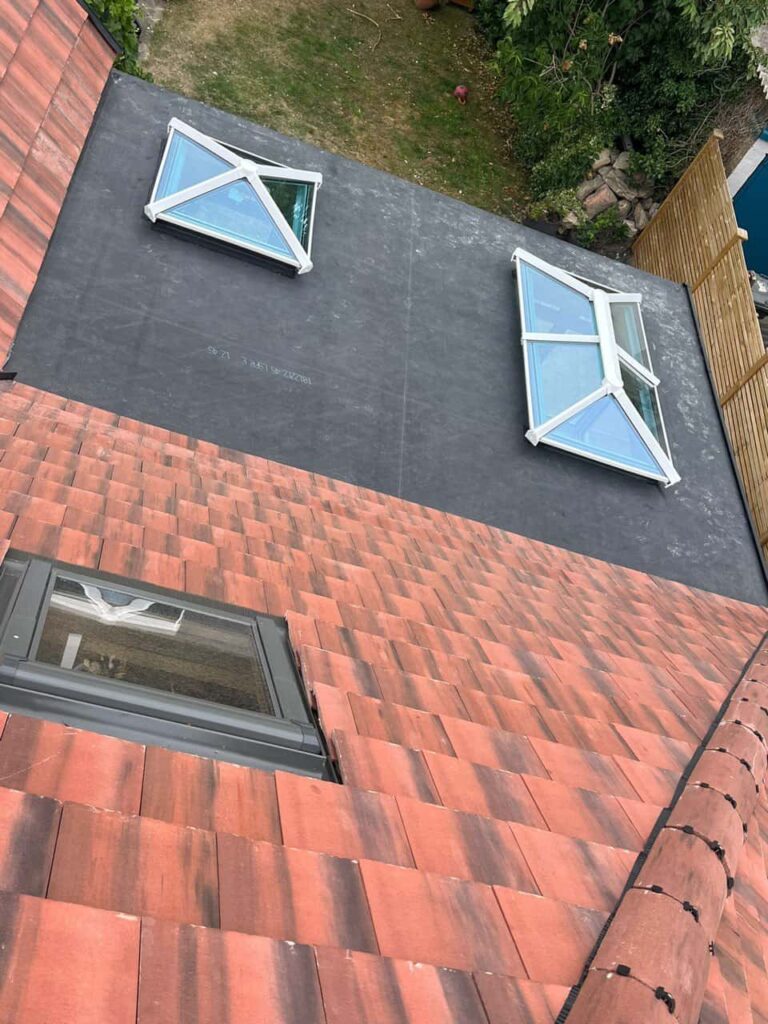
A roof is one of the most important parts of any property, protecting the building from rain, wind and changing weather conditions. However, roofing materials can deteriorate over time, and small defects can become more difficult to address when they are left unnoticed.
For homeowners in Syston, Leicestershire, knowing the warning signs of roof damage can help you arrange an inspection at the right time. Some problems are easy to spot from the ground, while others may require a closer professional assessment.
What Are the Main Signs That a Roof Needs Repairing?
Several visible and less obvious signs can indicate that a roof requires attention. Recognising these early can help identify potential problems before they affect other parts of the property.
Missing, Cracked or Slipped Tiles
Roof tiles can become cracked, broken or displaced due to weather exposure, age or impact. A missing tile leaves the underlying roof structure more exposed to rainwater and wind.
If you notice gaps in the roof covering or tiles that appear out of alignment, the affected area should be inspected. Replacing damaged tiles can help restore the roof’s weatherproofing.
Water Stains on Ceilings or Walls
Brown marks, damp patches or peeling paint on ceilings and upper walls can indicate water ingress. However, the location of an internal stain does not necessarily correspond directly with the point where water is entering the roof.
A professional inspection can help trace the source and determine whether damaged tiles, flashing, roof valleys or another roofing component is responsible.
Damaged or Deteriorating Flashing
Flashing is used around areas such as chimneys, roof junctions and other vulnerable points. If it becomes cracked, loose or deteriorated, water may be able to penetrate the roof.
Visible gaps or damaged sections around flashing should be assessed rather than simply covered, as the underlying cause may need to be addressed.
Sagging or Uneven Areas
A noticeable dip or sag in the roof can indicate an issue beneath the roof covering. Moisture penetration, deterioration of supporting materials or structural movement can all contribute to changes in the roof’s shape.
A sagging area should be professionally inspected to establish the cause before repair work is undertaken.
Excessive Moss or Debris
Some moss growth is common on roofs, but excessive growth can obscure tiles and make it harder to identify cracks, slipped tiles or other defects.
Leaves and other debris can also collect in roof valleys and drainage areas. Keeping these areas clear can help water flow away from the roof effectively.
Damaged Gutters and Downpipes
Roof drainage is closely connected to the condition of the roof. Blocked, cracked or overflowing gutters can allow water to run against roof edges and walls instead of being directed away from the property.
If gutters regularly overflow or show signs of damage, they should be inspected alongside the roof to determine whether drainage is contributing to dampness or deterioration.
What Can Cause Roof Damage?
Roofs are exposed to the elements throughout the year. Strong winds can displace tiles, while persistent rainfall can expose weaknesses in damaged or deteriorating materials.
Age is another factor. Roofing components can gradually wear down through repeated exposure to changing weather conditions. Poor drainage, previous damage and defects around roof junctions can also contribute to problems.
Identifying the cause is important because repairing only the visible symptom may not resolve the underlying issue.
When Should You Arrange a Roof Inspection?
You should consider arranging a professional inspection if you notice water ingress, damaged tiles, deteriorating flashing, unusual roof movement or recurring problems after rainfall.
It is also sensible to check the roof following periods of particularly strong weather in Syston, Leicestershire, especially if you notice displaced materials or new signs of dampness inside the property.
A professional inspection can establish the condition of the roof and identify which areas require attention.
Can Small Roof Repairs Prevent Bigger Problems?
Early repairs can help maintain the integrity of the roof by addressing defects before they develop further. For example, replacing a damaged tile can help prevent rainwater from reaching the underlying roof structure, while repairing defective flashing can protect a vulnerable roof junction.
Not every visible defect requires extensive work, which is why an assessment is useful before deciding what repairs are necessary.
Choosing Professional Roof Repairs in Syston
Roof repairs should be matched to the type and extent of the damage. A suitable repair involves identifying the source of the problem, assessing the surrounding roofing materials and using an appropriate repair method.
Syston Roofing Repairs provides professional roofing repair services in Syston, Leicestershire. An inspection can help identify damaged or deteriorating areas and determine the appropriate work required to restore the roof.
Conclusion
Warning signs such as missing tiles, water stains, damaged flashing, sagging areas, excessive moss and drainage problems should not be ignored. While some defects may appear minor, continued exposure to rain and wind can cause further deterioration.
Regular checks and prompt professional assessment can help maintain the condition of your roof and identify repairs when they are needed. If you have noticed signs of roof damage at your property in Syston, Leicestershire, contact Syston Roofing Repairs to arrange an inspection and discuss the appropriate repair.
Call us on: 0116 216 2996
Click here to find out more about Syston Roofing Repairs
Click here to complete our contact form and see how we can help with your roofing needs.